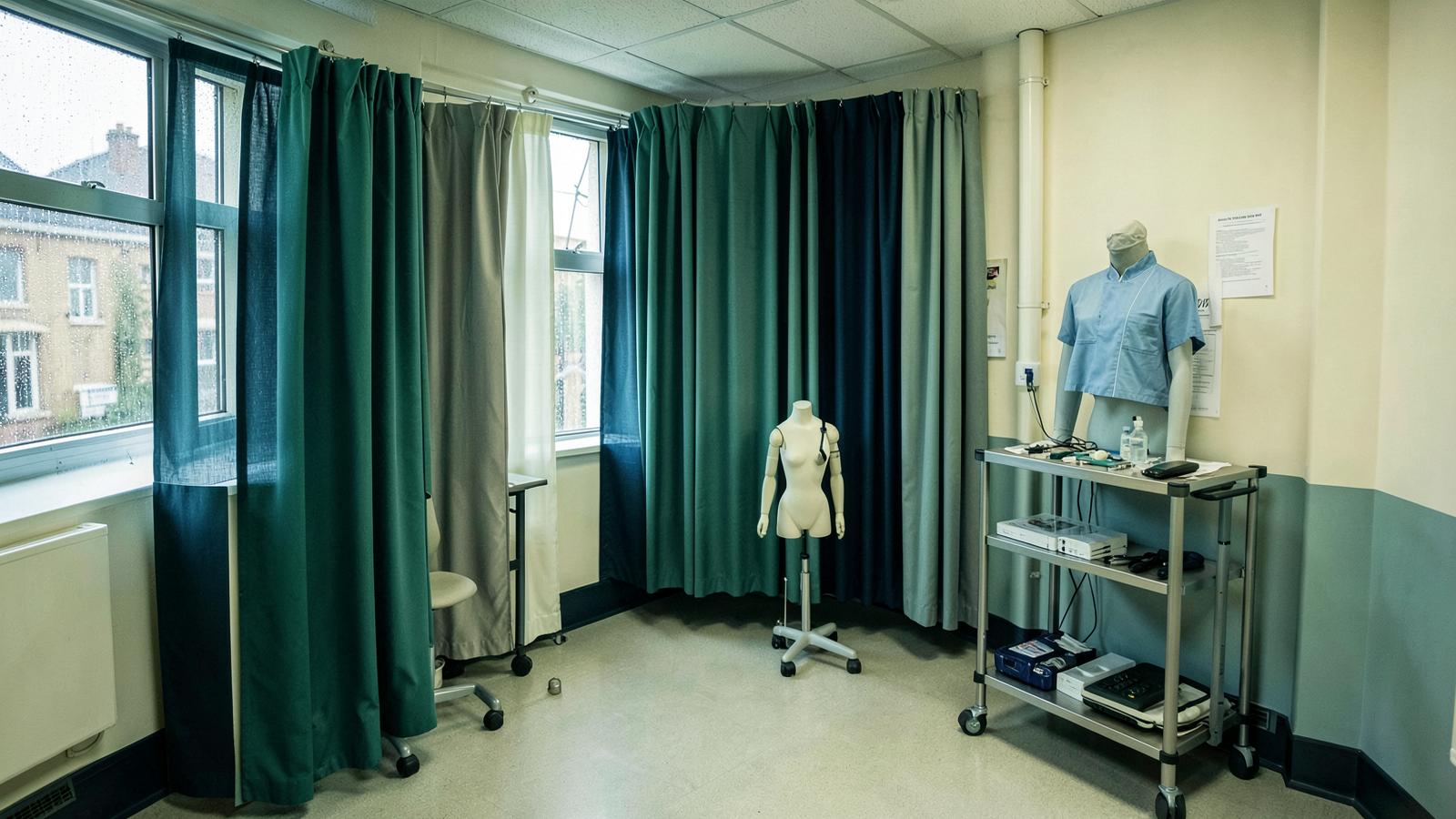
PLAB 2 is a 16-station OSCE sat only at the GMC Clinical Assessment Centre in Manchester. Each station lasts eight minutes with two minutes of reading time between them. It is not a knowledge test. It is a test of whether you behave like a safe UK foundation doctor for eight minutes at a time, sixteen times in a row.
Getting a seat
Seats are released in batches and the earliest dates disappear quickly. Log in on the day your PLAB 1 result is published and book the first date that leaves you a realistic preparation window — most people need eight to twelve weeks, more if they are working full time.
Once you have a date, everything else follows from it: visa appointment, flights, accommodation, and the course if you are taking one.
The visitor visa
You are travelling to sit an exam, so a standard visitor visa is normally the right route. Apply as soon as you have your seat confirmation. Bring:
- The GMC seat confirmation email.
- Proof of funds covering the trip.
- Return travel and accommodation bookings.
- Evidence of ties to your home country.
Processing times vary considerably by country, so build in a buffer of several weeks. Our visa and immigration guide explains the routes in more detail.
Where to stay
Stay within walking distance or one short tram ride of the assessment centre. On exam morning you do not want to depend on connections. Many candidates book accommodation with other PLAB 2 candidates specifically so they can practise in the evenings — that is genuinely one of the most valuable things you can do in your final week.
Candidates who practise out loud with a partner pass at noticeably higher rates than candidates who only read.
How to actually prepare
Learn one structure and use it everywhere. Whatever framework you choose, use the same opening every station: introduce yourself with name and role, confirm the patient's name and date of birth, state the purpose, ask permission. Those thirty seconds are marked and they settle your nerves.
Practise the four station types separately.
- History taking — open question, listen for 30 seconds without interrupting, then structured probing, ideas concerns and expectations, red flags, summarise back.
- Examination — talk through what you are doing, always offer chaperone and consent, always state you would complete the rest of the examination and check observations.
- Counselling and explanation — plain English, no jargon, chunk information, check understanding, safety-net, offer written information.
- Practical and emergency — sequence matters more than speed. ABCDE, call for help early, say out loud what you are escalating.
Time everything. Eight minutes is much shorter than it sounds. Practise with a timer from day one, and practise being interrupted at seven minutes.
Work on the phrases, not just the content. "I am sorry, that must be worrying." "Is there anything you were hoping we might do today?" "Could you tell me what you will tell your family?" Examiners are marking communication explicitly.
What fails candidates
- Running out of time because the opening was too slow.
- Missing the safety-netting sentence at the end of a counselling station.
- Not washing hands or not offering a chaperone.
- Speaking to the examiner instead of the simulated patient.
- Reciting a memorised script that does not respond to what the patient actually said.
The 48 hours before
Do not learn anything new. Walk to the assessment centre so you know the route. Sleep. Eat breakfast. Bring your passport and confirmation. Wear something professional and comfortable that meets bare-below-the-elbows.
After you pass
Do not wait for the certificate to start your GMC registration application — EPIC primary source verification is the slowest step and can be started well in advance. Our GMC registration guide walks through the documents and order.
Dates and fees
PLAB 2 fees, booking windows and the full cost picture including flights and accommodation are covered on the exam dates and fees page and in the cost calculator.